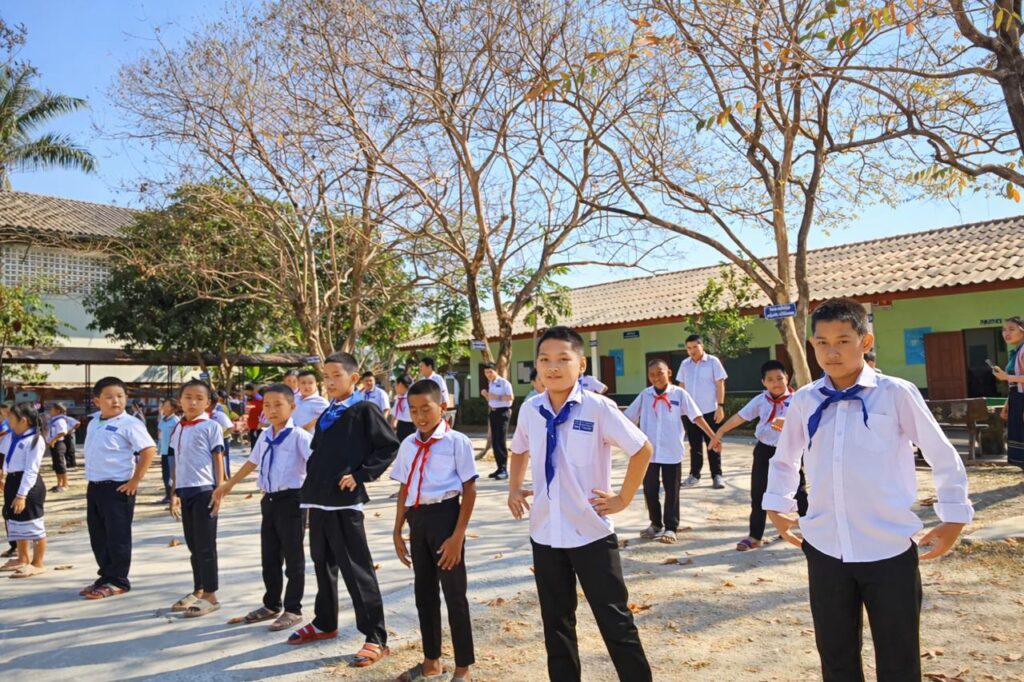
Inclusive education provides children with autism the opportunity to learn alongside their peers in a supportive and structured environment. To ensure a positive and successful experience, certain readiness skills are important for children before joining an inclusive classroom.
Key Readiness Criteria
- Basic Self-Care Skills
Children should be able to manage their personal needs independently at an appropriate level, such as eating, toileting, and maintaining personal hygiene. These skills help them function more confidently within a school setting. - Ability to Participate in Class
The child should be able to sit and engage in classroom activities with peers for the full duration of lessons. This includes following simple instructions and maintaining attention during learning time. - Academic Readiness
Children are expected to have basic writing skills and the ability to complete classroom tasks. This allows them to actively participate in lessons and benefit from the curriculum. - Emotional Regulation
The child should be able to manage their emotions in a way that supports a safe and positive learning environment. This includes coping with changes, following classroom rules, and responding appropriately to different situations.
Conclusion
Every child is unique, and inclusive education works best when there is strong collaboration between parents, teachers, and support staff. With the right preparation and support, children with autism can thrive, build social connections, and develop essential life skills in an inclusive school environment.